Oct 21, 2026
Ceramic vs. Carbon Window Tint: Which Is Better for Phoenix Drivers?
Ceramic and carbon window tint can both improve comfort and reduce glare in Phoenix. High-quality ceramic films often offer stronger infrared heat rejection at a similar visible shade, while carbon films can provide an attractive, non-metallic option. Compare actual film performance data and legal light transmission instead of choosing by name alone.
Quick answer: Ceramic and carbon window tint can both improve comfort and reduce glare in Phoenix. High-quality ceramic films often offer stronger infrared heat rejection at a similar visible shade, while carbon films can provide an attractive, non-metallic option. Compare actual film performance data and legal light transmission instead of choosing by name alone.
When your vehicle sits in the sun outside a Phoenix office, the cabin can become uncomfortable long before the afternoon drive begins. It is tempting to assume that the darkest window tint must be the best at stopping heat. But darkness and heat rejection are not the same measurement.
For drivers shopping for ceramic tint in Phoenix, Arizona, understanding the difference between ceramic and carbon films can help you select a useful upgrade without buying features you do not need.
What Is Ceramic Window Tint?
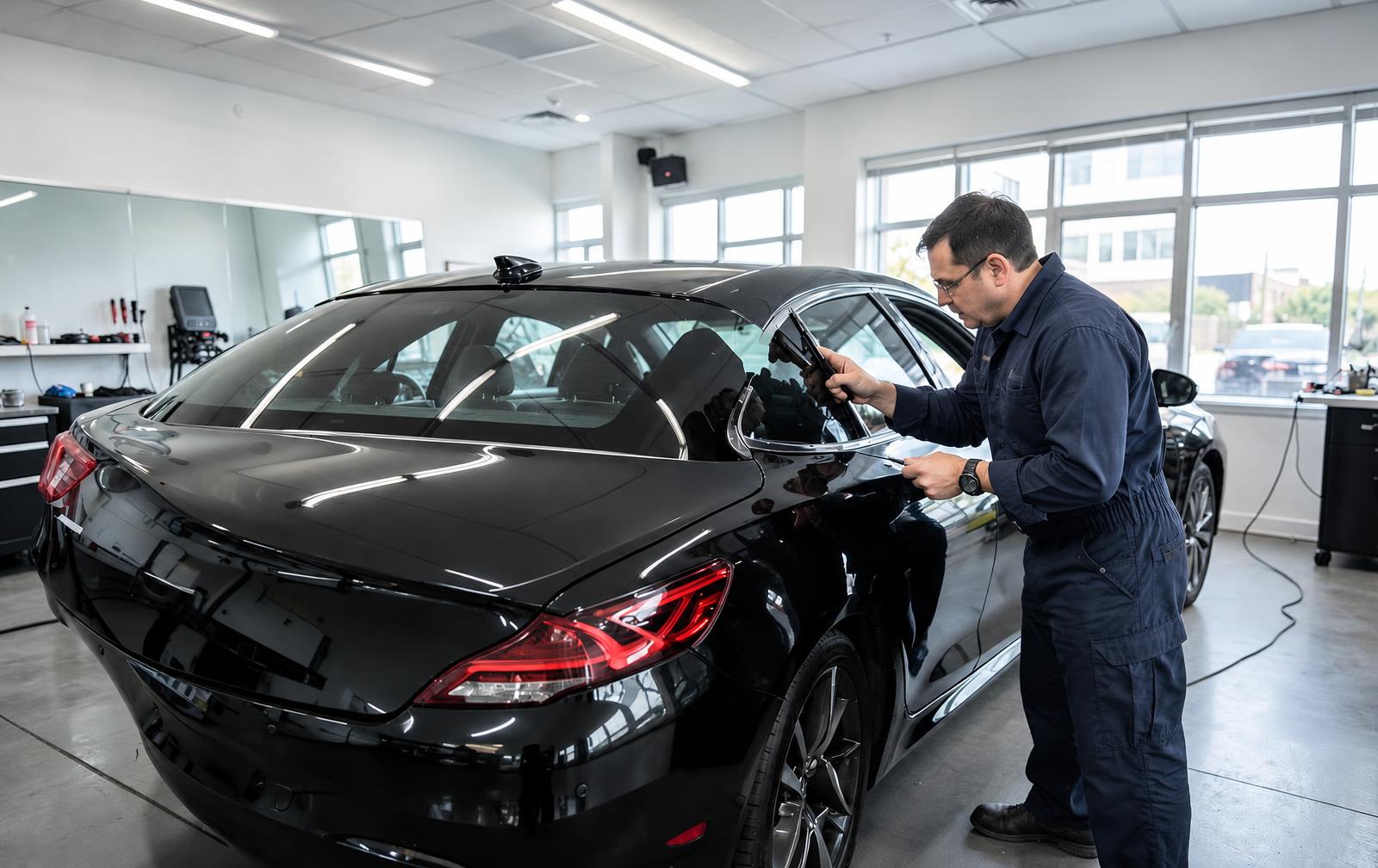
Ceramic window tint uses specialized ceramic particles within the film to help manage solar energy. Depending on the product, a ceramic film may reject a substantial share of infrared energy while still allowing relatively high visible light transmission.
The practical benefit is flexibility. A driver may want less solar heat entering the cabin but prefer a lighter appearance for visibility and style. Certain premium ceramic films can provide that combination better than more basic alternatives.
Ceramic is a film category, not a guarantee that every product performs identically. One brand's entry-level ceramic film may compare differently from another brand's premium version. Ask for the actual product specification sheet.
What Is Carbon Window Tint?
Carbon window films incorporate carbon-based materials to create their appearance and help manage solar energy. Many drivers appreciate the smooth, neutral look and the fact that quality carbon films are non-metallic.
A carbon film may be a sensible choice when your priorities are appearance, privacy within legal limits, and a practical improvement over an untreated window. It can also offer good value depending on the specific product and installation package.
The comparison is not simply good versus bad. A well-made carbon film installed correctly may be preferable to a poorly chosen or poorly installed ceramic film.
The Four Numbers Worth Comparing
Instead of comparing only promotional descriptions, ask the installer about these measurements:
1. Visible light transmission (VLT)
VLT describes how much visible light passes through the window and film combination. Lower VLT usually produces a darker appearance. This matters for nighttime visibility, overall style, and legal compliance.
Arizona regulates window tint. Under Arizona Revised Statutes § 28-959.01, front side windows have specific light-transmission and reflectance requirements. Windshield rules are different. Ask the installer to measure the existing glass and recommend a compliant finished combination, rather than relying on a shade label alone.
2. Total solar energy rejected (TSER)
TSER looks at the overall share of solar energy the film-and-glass system rejects. It is a useful broad comparison for Phoenix heat, especially when reviewing films with similar VLT ratings.
Make sure competing numbers are reported under comparable test conditions. Marketing claims can be misleading when one product reports performance on a different glass substrate.
3. Infrared rejection
Infrared performance can help explain why a film feels better under strong sun. However, brands may report infrared rejection across different wavelength ranges. One impressive percentage is not necessarily the whole story. Compare the test method alongside TSER.
4. Ultraviolet rejection
Many quality automotive films are designed to block a high portion of UV radiation. This can help protect interior materials and reduce UV exposure through treated glass. Review the exact product specification rather than assuming every film offers the same level.
Is Darker Tint Always Cooler in Phoenix?
No. Tint shade affects the amount of visible light passing through the windows, but heat performance also depends on how the film manages other parts of the solar spectrum. Two films with similar darkness can have noticeably different thermal performance.
A lighter high-performance ceramic option may suit someone who frequently drives after sunset, while a darker legally compliant option may be preferred for appearance and privacy. The right choice considers performance, visibility, and the vehicle's factory glass together.
What About Glare, Appearance, and Electronic Devices?
Both ceramic and carbon films can reduce glare by lowering visible light transmission. The amount of reduction depends on shade, angle of sunlight, and surrounding conditions. Excessively dark film can also make night driving harder, so comfort must be balanced with clear visibility.
Many ceramic and carbon films are non-metallic, a useful feature for drivers concerned about interference with electronic signals. Ask for the exact film construction if this is important to your vehicle.
Professional installation matters just as much as the product. Clean preparation, accurate cutting, careful handling around rear-window defroster lines, and a smooth edge finish support a better-looking result.
How to Choose a Film for Your Vehicle
A strong tint consultation should begin with how you actually use your car:
- Daily Phoenix commuter: Compare TSER and clarity at a legal shade suited to frequent driving.
- Family SUV: Ask about heat rejection and UV performance across multiple windows.
- Luxury or performance vehicle: Prioritize finish quality, optical clarity, and a film appearance that complements factory glass.
- Budget-conscious driver: Compare a quality carbon package with a ceramic upgrade using the same set of performance measurements.
101 Glass Co. offers ceramic and carbon auto glass tinting for vehicles across Greater Phoenix, with professional installation available through its Tempe location.
Frequently Asked Questions
Does ceramic tint work better than carbon tint in Arizona heat?
High-performing ceramic films often reject more infrared energy at a comparable visible shade, but performance varies by product. Compare TSER, infrared test data, and VLT before deciding.
Does a darker window tint always block more heat?
Not necessarily. Darkness describes visible light transmission, while solar heat performance depends on additional film properties. A lighter high-performance film can outperform a darker basic film.
Is ceramic tint legal in Phoenix?
Ceramic film is not automatically legal or illegal because of its material. Compliance depends on where it is installed and the finished light-transmission and reflectance characteristics under Arizona law.
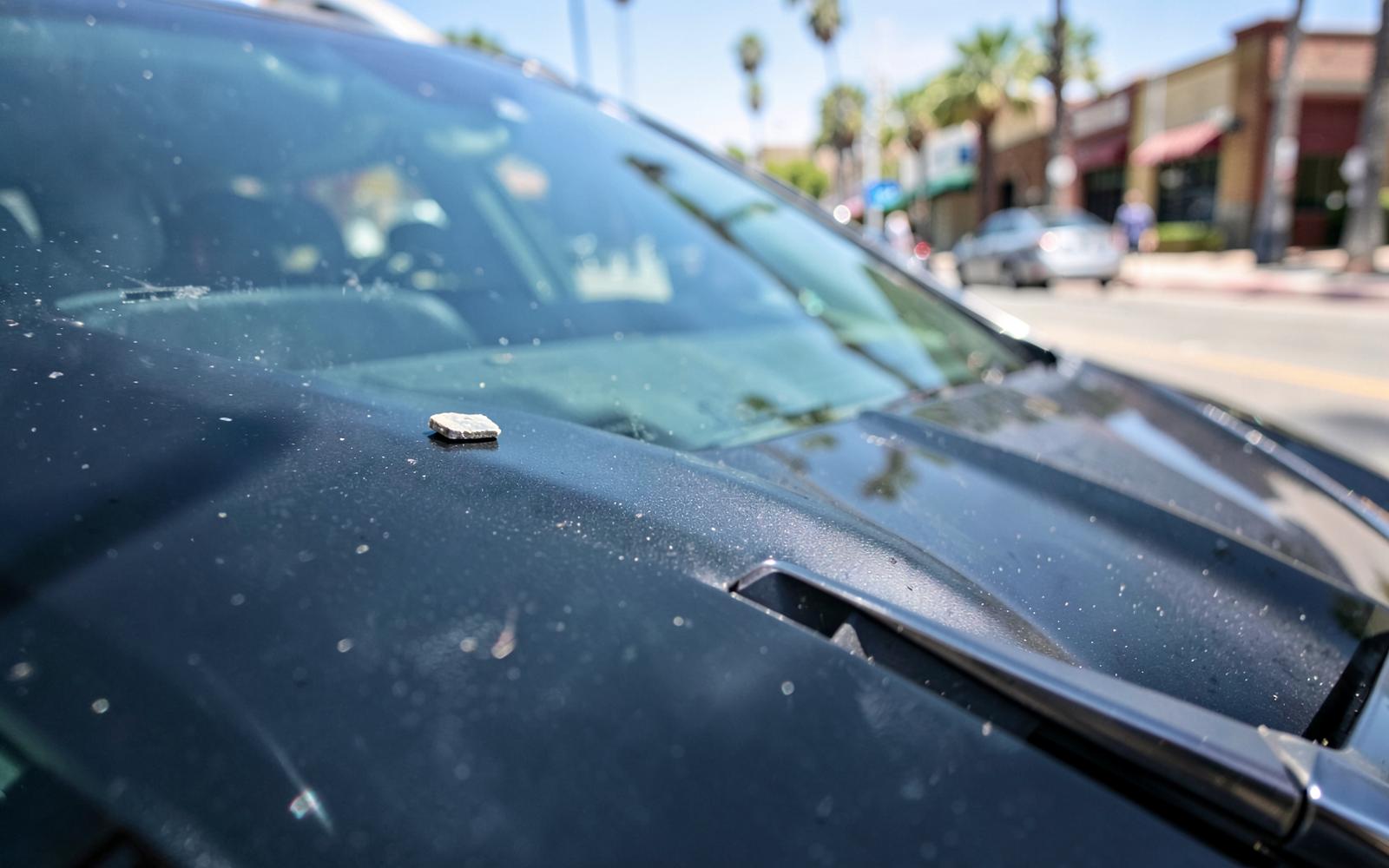
Will window tint protect my windshield from rocks?
No. Automotive window tint and exterior windshield protection film serve different purposes. Tint is selected primarily for light, heat, and comfort; windshield protection film is intended to reduce certain impact-related damage.
Find the Right Tint for Your Phoenix Drive
You do not need to choose tint based on darkness or marketing alone. Choose the film that delivers the comfort, appearance, clarity, and legal compliance you want for your particular vehicle.
For ceramic window tint in Phoenix, Tempe, Scottsdale, Chandler, Mesa, and nearby communities, contact 101 Glass Co. Call 888-585-4575 or request a quote to compare ceramic and carbon options.