Oct 7, 2026
Windshield Replacement in Phoenix: What to Know About HUD, Rain Sensors, and Cameras
A windshield with a heads-up display, rain sensor, or driver-assistance camera is more than a shaped piece of glass. A proper replacement must match the vehicle's equipment, fit correctly, and include any calibration the manufacturer requires. That matters whether you drive a daily commuter or a luxury SUV in Phoenix.
Quick answer: A windshield with a heads-up display, rain sensor, or driver-assistance camera is more than a shaped piece of glass. A proper replacement must match the vehicle's equipment, fit correctly, and include any calibration the manufacturer requires. That matters whether you drive a daily commuter or a luxury SUV in Phoenix.
A rock strike on Loop 101 can look like an ordinary glass problem. For newer vehicles, the windshield may also be part of a sophisticated system that helps display driving information, detect rain, and position forward-facing cameras. Two pieces of glass may look identical from the outside while supporting different features.
If you're arranging windshield replacement in Phoenix, Arizona, the best first step is not simply finding a price. It is confirming the exact glass specification for your vehicle.
Why a Modern Windshield Is Part of the Vehicle's Technology
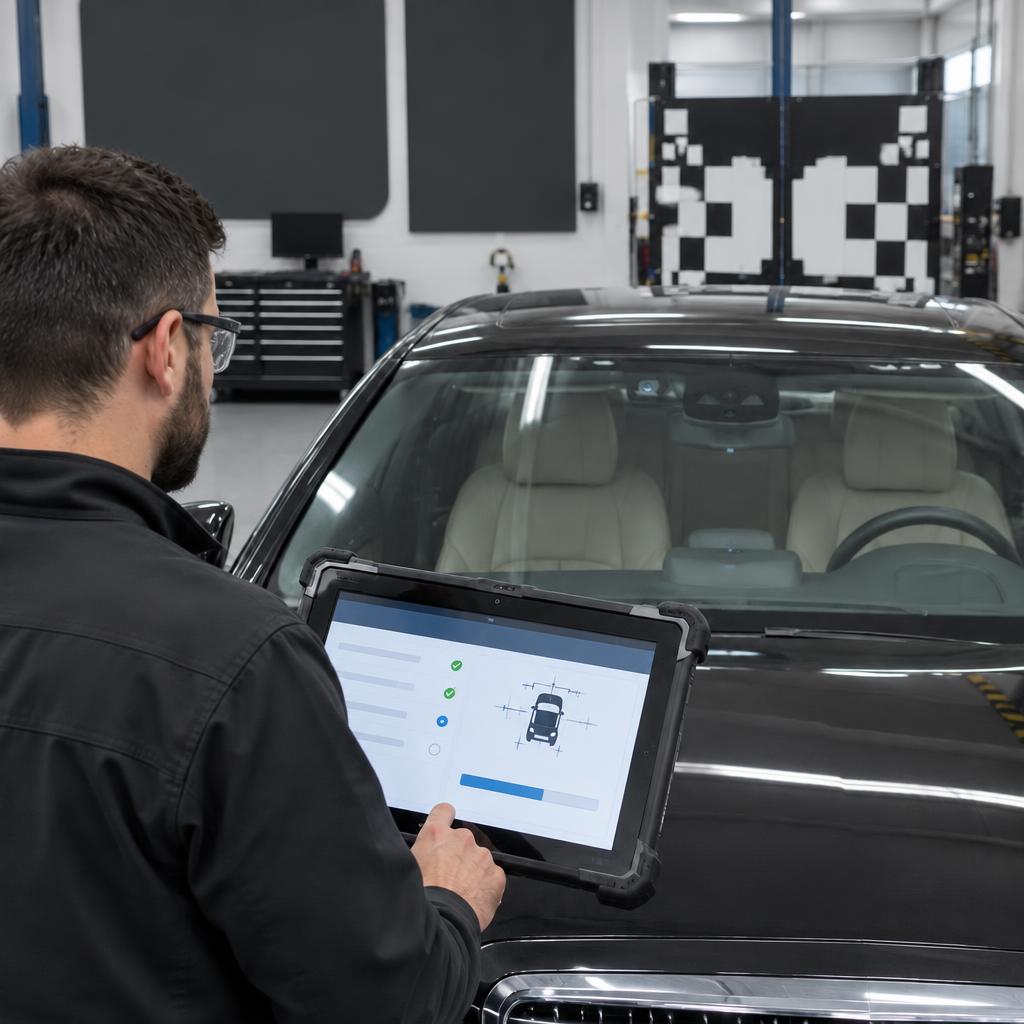
Many drivers know their windshield protects the cabin from wind and debris. Fewer realize that it can also provide an optical surface for a heads-up display and a mounting point for cameras and sensors.
The features vary by manufacturer, model, year, and trim. Some cars have none of them. Others combine several features in one windshield. Using glass that does not match the original equipment can create display distortion, sensor issues, or an installation that does not meet the vehicle manufacturer's requirements.
Heads-up display: clarity depends on the glass
A heads-up display, or HUD, projects information such as vehicle speed into the driver's field of view. Vehicles equipped with HUD may require specially designed laminated glass to keep that projected image clear. A mismatched windshield can produce a doubled or blurry image, even when the glass appears to fit.
When requesting a quote, tell the shop if you see information projected onto the windshield. Do not assume every replacement option supports this feature.
Rain and light sensors: the mounting details matter
Automatic wipers and headlights may depend on sensors positioned near the rearview mirror. Their brackets, optical coupling materials, and contact with the glass must be handled correctly. An installer should confirm that the replacement supports the equipment and test its operation after service.
If your wipers activate automatically when rain begins, mention that feature when scheduling. It is a small detail that helps prevent ordering the wrong part.
Forward-facing cameras: calibration may be required
Lane-departure alerts, lane-keeping assistance, and some collision-warning features use cameras behind the windshield. Replacing the glass can change the camera's position relative to the road by a small but important amount.
Depending on the vehicle, the manufacturer may require static calibration, dynamic calibration, or both. Calibration is not a universal do-it-yourself reset. It follows model-specific instructions and should be documented when required.
101 Glass Co. offers windshield replacement with ADAS recalibration from its Tempe shop for vehicles throughout the Greater Phoenix area.
Other Glass Features Worth Mentioning Before You Book
HUD and cameras get most of the attention, but other options can change the correct glass choice:
- Acoustic glass: Special interlayers can help reduce road and wind noise. This is relevant to owners who value a quiet cabin.
- Heating elements: Some windshields include heating features around the wiper area or elsewhere in the glass.
- Special coatings or antennas: Certain vehicles incorporate technology that may not be obvious from a photo.
- Mirror and sensor mounts: Brackets and hardware must align with the equipment installed on your vehicle.
Not every feature requires its own service, but each is worth identifying before a windshield is ordered.
OEM vs. OEM-Equivalent Glass: Ask About Compatibility, Not Just the Label
OEM glass generally refers to original-equipment manufacturer glass or glass supplied to the automaker's specification. OEM-equivalent replacement options can also be appropriate when they meet the vehicle's requirements. The right decision depends on the exact part, available specifications, and manufacturer guidance.
A low quote is not useful if it excludes a HUD-compatible part or necessary calibration. Equally, a high quote should be explained. Ask the installer to identify the proposed glass, which features it supports, whether moldings or clips are included, and how calibration is handled.
For a Porsche, Mercedes-Benz, BMW, Audi, Tesla, or another feature-rich vehicle, a careful quote should start with the specific vehicle, not only the badge on the hood. The same is true for an everyday sedan with advanced safety features.
A Practical Checklist for Your Phoenix Windshield Quote
Before scheduling, gather the following details:
- Vehicle identification: Year, make, model, trim, and VIN if requested.
- Visible features: HUD, automatic wipers, cameras, heated glass, or unusual windshield markings.
- Damage photos: A clear photo of the crack or impact and one showing its position on the windshield.
- Service preference: An in-shop appointment at our Tempe location.
- Insurance information: Your coverage details if you plan to ask about a glass claim.
Ask whether the appointment includes inspection, installation, required ADAS calibration, and a confirmed minimum safe-drive-away time. These steps make quotes easier to compare.
What Should Happen During and After Replacement?
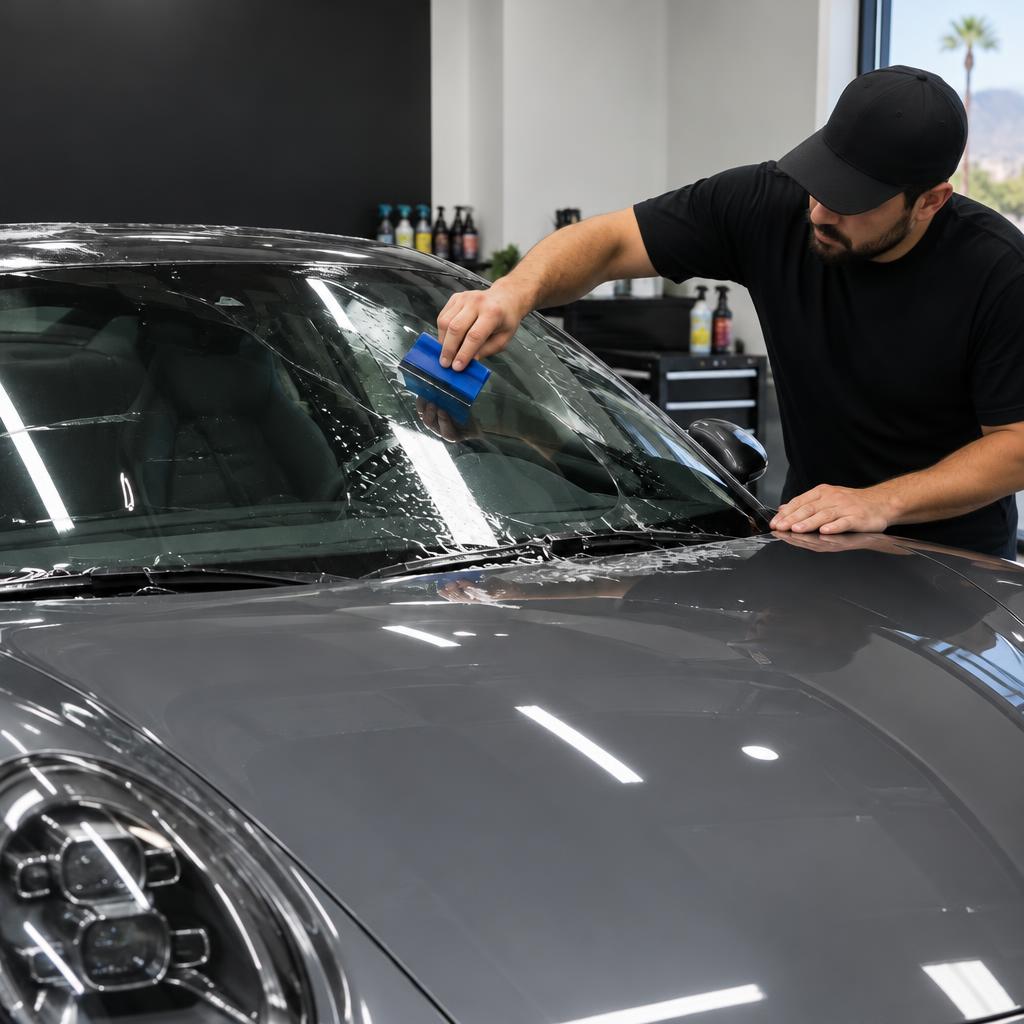
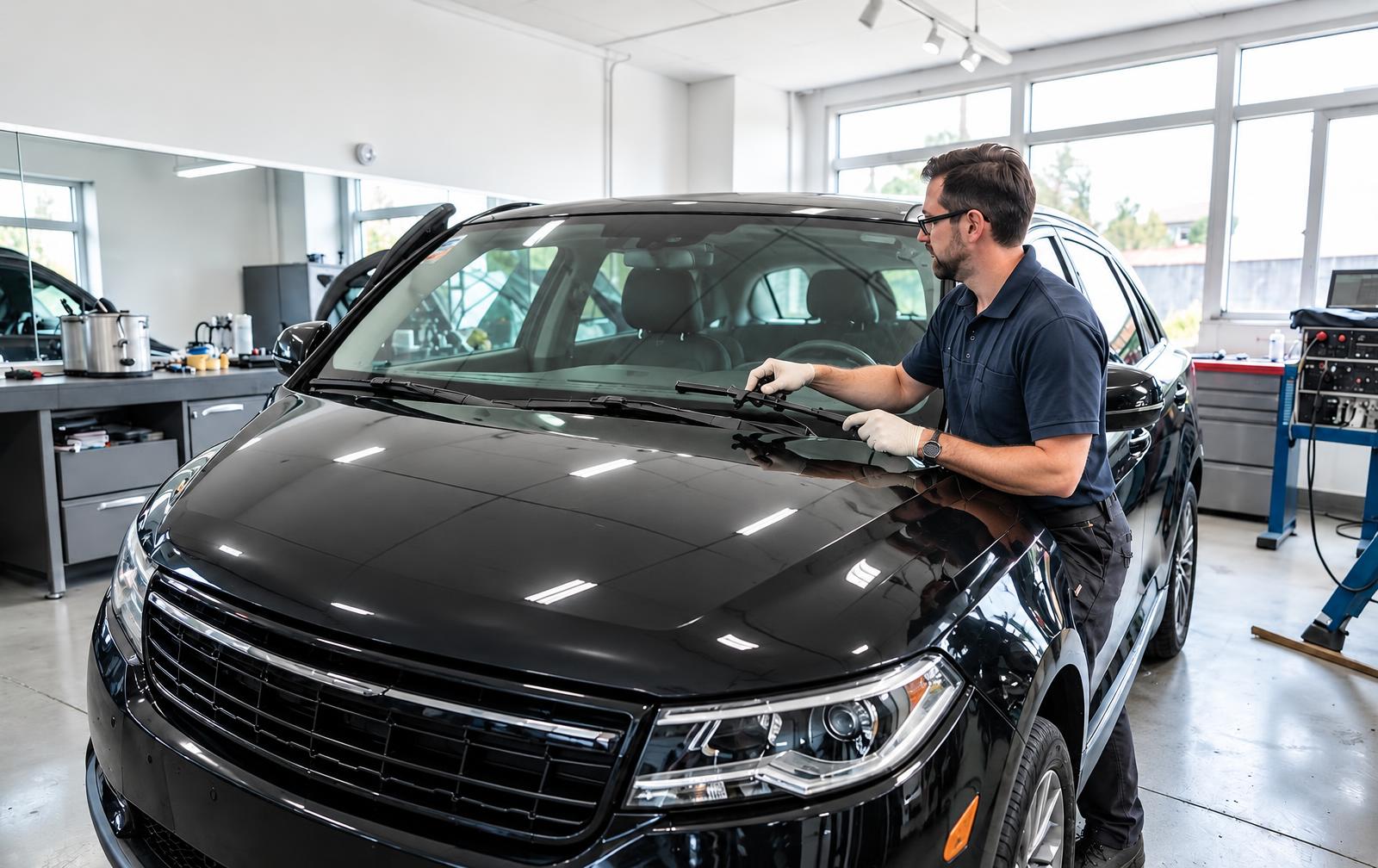
The technician should verify the correct glass, protect the vehicle's interior and finishes, remove the damaged windshield, prepare the bonding surface, and install the new glass with suitable materials. If the vehicle requires ADAS recalibration, the shop should follow the specified process and communicate the outcome.
Before you drive away, ask when the adhesive has reached its minimum safe-drive-away time. The Auto Glass Safety Council notes that this period depends on the adhesive and conditions, so it should come from the installer rather than a generic online rule.
Check the HUD image, wiper operation, and other windshield-related features as directed. Report any unusual warning lights, optical distortion, or wind noise promptly.
Frequently Asked Questions
Do all Phoenix windshield replacements need camera calibration?
No. Calibration depends on the vehicle's equipment and the manufacturer's procedures. If your vehicle has a windshield-mounted camera, ask the installer to verify its requirements before replacement.
Can the wrong windshield make a heads-up display look blurry?
Yes. Some HUD systems require a specific windshield construction. A glass part that fits physically may not provide the correct optical performance.
Where should I schedule replacement if my vehicle needs ADAS calibration?
101 Glass Co. performs windshield replacement at its Tempe shop. Some calibration procedures require a controlled shop environment or specific road conditions. Confirm the complete plan before scheduling.
Does insurance cover replacement glass with special features?
Coverage depends on your policy, deductible, and the insurer's terms. Share the vehicle's features and ask what is covered before authorizing work.
Choose Windshield Replacement That Matches Your Vehicle
Your windshield should work with the vehicle, not against it. From everyday cars to European and high-performance models, the right replacement starts with the right part and a clear installation plan.
For windshield replacement in Phoenix, Tempe, Scottsdale, Mesa, Chandler, and surrounding areas, contact 101 Glass Co. to review your vehicle's glass, sensor, and calibration needs. Call 888-585-4575 or request a quote.